What can we learn from physical capacity about biological age? A systematic review
Key findingPhysical capacity measures are robust, low-cost indicators of biological aging.
View DOIPostdoctoral Research Fellow — Department of Occupational Therapy, Tel Aviv University
I study how social environments, inequality, community violence, minority status, inflammation, gut microbiota, cognition, physical capacity and digital-health interventions shape the way we age — and what makes some people age more resiliently than others.
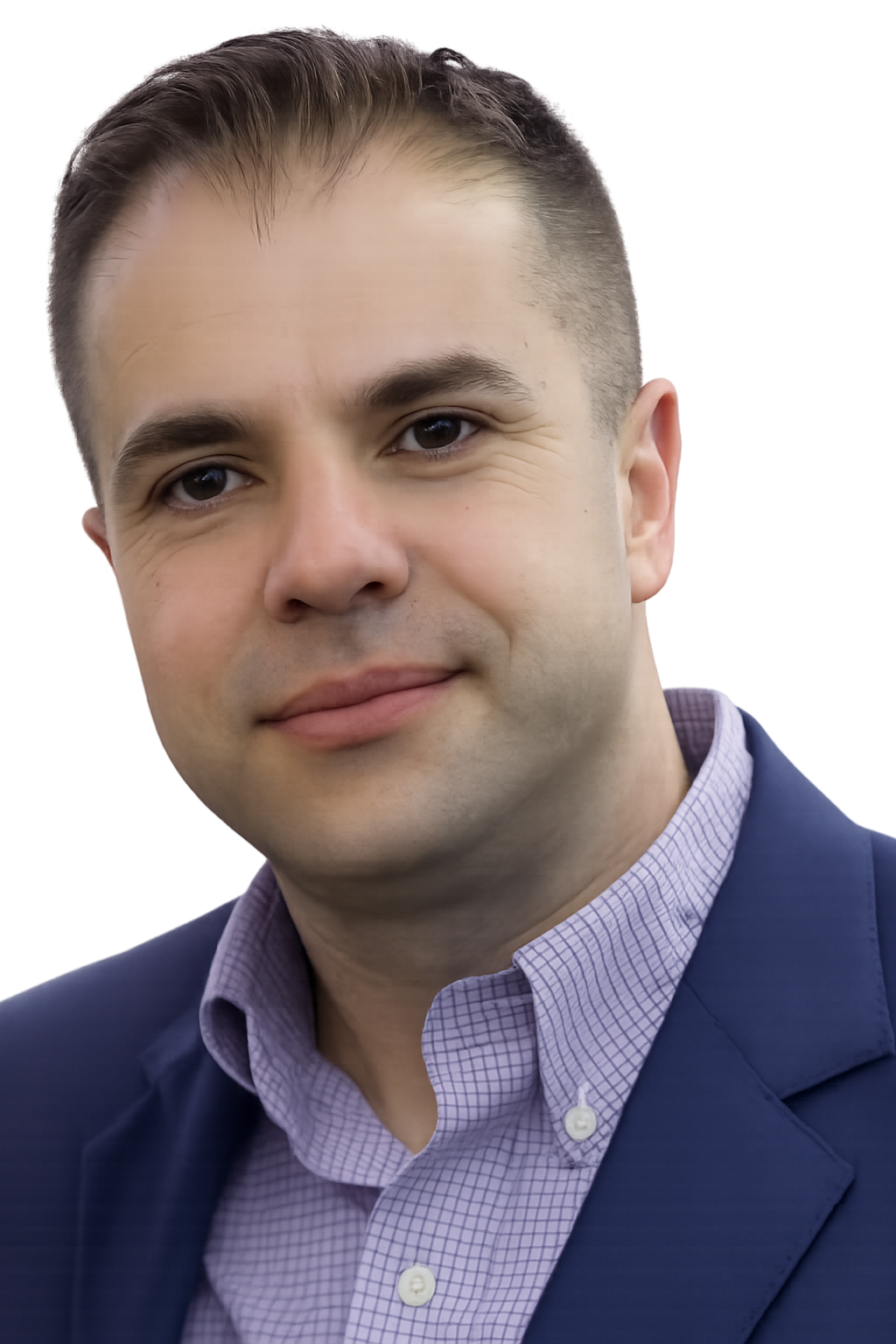
My work connects the social world to the biological one — tracing how environment and inequality get "under the skin" and shape aging trajectories.
How social inequality, minority status and neighborhood context shape who ages well — and who doesn't.
Explore themeChronic exposure to community violence and deprivation leaves a biological signature that accelerates aging.
Explore themeInflammation and gut microbiota as messengers — translating life stress into measurable change in the body.
Explore themePhysical activity, cognition and digital-health innovation as levers for frailty prevention and resilience.
Explore themeThree papers that anchor the research program — from a top-ranked systematic review to the flagship doctoral study.
Key findingPhysical capacity measures are robust, low-cost indicators of biological aging.
View DOIKey findingChronic community violence predicts elevated psychological distress, moderated by gender.
View DOIKey findingBetter physical capacity correlates with stronger attention, but not broader executive function.
View DOITwo active, multi-institutional studies exploring digital-health innovation and genetic risk in brain aging.
Investigating whether a simple scent delivered during deep sleep can improve sleep quality, cognition and gait — a non-pharmacological approach to protecting the aging brain.222
A multinational comparative study deciphering the impact of the APOE4 gene variant on brain aging and its association with Alzheimer's disease.
Each theme below combines biological, psychological, and social measures to explain aging trajectories — and to find the levers that protect health across the lifespan.
Drawing on a cohort of 420 middle-aged Arab adults in Israel, this work examines how community violence, socioeconomic inequality and neighborhood deprivation influence biological and cognitive aging trajectories.
In plain language: where you live and what you're exposed to can age your body faster than your birthday would suggest.
Integrating blood biomarkers, salivary measures and gut-microbiota profiling to trace the physiological pathways connecting psychosocial stress to functional decline.
In plain language: stress doesn't stay "in the head" — it shows up in inflammation markers, and even in the bacteria living in our gut.
Investigating how gender, culture and minority status shape psychological responses to chronic stress and violence exposure among middle-aged and older adults.
In plain language: the same stressful environment can affect men and women differently — resilience isn't one-size-fits-all.
Examining how measures of physical capacity — gait speed, strength, balance — relate to attention, executive function and biological-age markers across the adult lifespan.
In plain language: how fast you walk may reveal as much about your brain and biological age as a lab test.
Using longitudinal SHARE cohort data across European countries to identify modifiable protective factors — physical activity, cognitive engagement, financial security — that sustain robustness and delay frailty.
In plain language: frailty isn't inevitable. Staying active, engaged and financially secure helps people stay robust for longer.
Postdoctoral work integrating digital health, neuroscience and nursing science to design non-pharmacological interventions — including a multi-institutional project on olfactory stimulation during deep sleep and its effects on sleep quality, cognition and gait.
In plain language: a simple scent delivered during deep sleep might help protect memory and movement as we age.
H-index 3 · 37 citations (Google Scholar) · ORCID 0000-0002-3180-5421. Filter by research theme, or read the plain-language summary under each finding.
Frontiers in Public Health, 12, 1382053
Key findingChronic exposure to community violence predicts elevated psychological distress in middle-aged Arab adults, with gender moderating the strength of the association.
In plain language: living with ongoing community violence wears on mental health differently for men and women in midlife.
European Journal of Education Studies, 11(11)
Key findingAcademic passion significantly predicts overall wellbeing among nursing students.
In plain language: students who feel genuine passion for nursing report better overall wellbeing.
Scientific Reports, 13(1), 15571
Key findingElevated CRP (an inflammation marker) is linked to slower gait speed in middle-aged women, but not men — an early, sex-specific signal of biological aging.
In plain language: a simple blood marker of inflammation may reveal early walking-speed decline in women well before old age.
Ageing Research Reviews, 77, 101609
Key findingPhysical capacity measures — grip strength, gait speed, balance — are robust, low-cost indicators of biological aging. Ranked 3rd of 73 journals in Geriatrics & Gerontology.
In plain language: how well your body moves can say more about your "true age" than your birth certificate.
PLoS One, 20(5), e0321450
Key findingBetter physical capacity correlates with stronger attention, but not broader executive function, in midlife.
In plain language: staying physically fit may sharpen focus and attention even before formal old age.
Manuscript submitted for publication
Key findingPhysical activity, cognitive engagement and financial security predict sustained robustness across the SHARE cohort.
In plain language: staying active, mentally engaged and financially secure helps older adults avoid frailty.
Target journal: Communications Medicine (IF 6.3, Q1)
Key findingCombining gut-microbiome profiles with violence-exposure metrics improves classification of psychological distress.
In plain language: gut bacteria patterns, combined with life-stress history, may help identify people at risk of mental-health struggles.
Active studies today, and the academic vision guiding the next decade of research.
A multi-institutional project exploring non-pharmacological interventions for cognitive aging: whether targeted scent stimulation delivered during deep sleep improves sleep quality, cognition and gait in older adults. Part of a broader postdoctoral programme integrating digital health, neuroscience and nursing science.
A multinational comparative study examining the APOE4 gene variant's association with Alzheimer's disease and brain aging trajectories, funded by the Ramat Gan Alzheimer's Center.
A new longitudinal cohort. Establish a longitudinal cohort in Arab and mixed communities in northern Israel to study environmental, psychosocial and biological predictors of healthy aging.
Structural mechanisms of disparity. Integrate quantitative registry data with qualitative, community-based research to inform policy interventions that reduce health disparities.
Biological-behavioral models of resilience. Combine biomarkers, digital-health data and machine learning to predict frailty and cognitive decline before they emerge.
A Healthy Aging and Environment Lab. Build an interdisciplinary home for research and student training in population-based nursing science.
From registered nurse to gerontology researcher — two decades of clinical grounding behind the science.
Tel Aviv University + Sheba Nursing School
Tel Aviv University
University of Haifa · Supervisors: Prof. Maayan Agmon, PT, PhD & Dr. Michal Isacson, PhD
Dissertation: "The relationships between the environment and aging process among middle-aged Muslims in Israel." 127 pages, English. Built on a large-scale cohort of 420 middle-aged Arab adults integrating biological (blood, saliva, microbiota), cognitive and physical measures — submitted November 2024.
Department of Occupational Therapy, Tel Aviv University · Host: Prof. Debbie Rand
Integrating digital health, neuroscience and nursing to explore non-pharmacological interventions for cognitive aging, including the multi-institutional olfactory-stimulation sleep project.
From Taipei to Boston — filter by year, conference, location or role to explore two decades of international and local presentations.
No appearances match these filters. Try resetting them.
Research is a team effort — mentors, co-authors, institutions and communities that shape this work.
Contribution to society. Throughout my career I have advanced social equity in nursing education and healthcare — training thousands of nurses nationwide and helping integrate underrepresented groups into the profession, including new immigrants, Bedouin nurses in southern Israel, and 40 nurses from Jisr al-Zarqa. This community engagement reflects a long-term commitment to reducing health and educational disparities through academic empowerment and culturally adapted professional training.
A condensed view of education, appointments, memberships and grants. Download the complete CV for full detail.
| 2019–2024 | PhD, GerontologyUniversity of Haifa |
| 2005–2008 | MA, NursingTel Aviv University |
| 2001–2005 | BA + Registered NurseTel Aviv University & Sheba Nursing School |
| 01/2025–present | Postdoctoral Research Fellow (full time)Department of Occupational Therapy, Tel Aviv University |
| 2025 | Deciphering the Impact of APOE4 on the Aging BrainCo-PI with Prof. Debbie Rand & Prof. Aviad Tur-Sinai · Funded by Ramat Gan Alzheimer's Center · ₪20,000 |
| 2023–present | Gerontological Society of America (GSA) |
| 2019–present | Israeli Gerontological Society |
| ORCID0000-0002-3180-5421 | |
| Google ScholarView profile |
Full curriculum vitae including all academic ranks, contributions to science, and publication details.
Alongside research, a sustained commitment to nursing education — from bedside clinical instruction to authoring the textbooks nursing students study from nationwide.
| Course | Type | Level | Years |
|---|---|---|---|
| Preparation for the National Nursing Licensure Examination | Lecture | BA | 2005–Present |
| Clinical Pharmacology | Lecture | BA | 2005–Present |
| Cardiology, respiratory, gastroenterology, surgery, endocrinology, nephrology, urology, hematology, oncology, neurology, neurosurgery & orthopedic disorders | Lecture | BA | 2005–2020 |
| Trauma and Emergency Medicine | Lecture | BA | 2005–2019 |
| Anatomy and Physiology | Lecture | BA | 2005–2019 |
Widely used clinical nursing textbooks spanning the full undergraduate curriculum, including:
Open to collaboration, speaking invitations, and doctoral or postdoctoral inquiries in gerontology, health equity and healthy-aging research.